
The Output That Waits
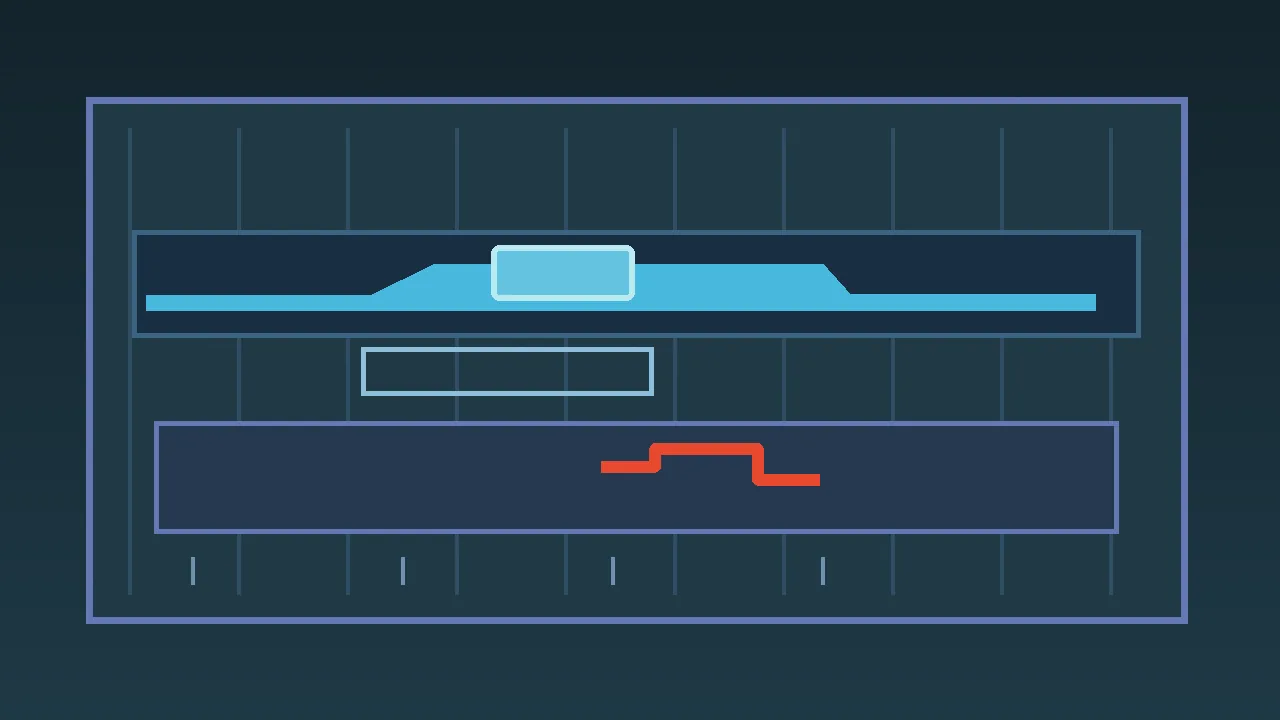
One row arrives while another reading is active
The study begins with a virtual output group ready to move forward. The separate control strip has one marked interval left from an earlier group. A second output row will reach the drawing later. The player can keep the ready row at its current position or let it travel to a near place that has room now. Either choice affects what the second row will see. The diagram leaves both places visible so the initial choice can be compared later. It uses invented model values with no units from real equipment.
Decide which turn should carry the release
The player sets a release and watches the first output move. A short section of the control strip indicates the current model limit. If it is still filled when the next group comes in, the player can move the new release to a later interval from the earlier state. One alternative leaves a small room for the later group before it accepts an earlier one. In that view the first group remains available longer. The game shows where it waits when another output appears. You can keep two results and reopen the first position without changing the input or the active mark at the beginning.
Put the two readings on separate levels
The concept art draws the output on a cyan path. The virtual control reading sits lower and has an indigo edge. A vermilion mark shows when one position on the path has just changed. Different outlines identify a held group and a place that has enough room. Keep those two marks on the same drawing before using the moving preview. The note The Buffer Has an Edge looks at one way to leave the earlier output visible after a model interval fills. A white line on the edge leaves the two readings separate even when they cross at a turn.
Compare the next arrival after a choice
Look for the other row that comes in just after the first release. The earlier model view should show which route could take the older row and which space the new one needs. If the new row waits, preserve the line it could already use. That gives the player a place to try another time. A later output can travel under the same earlier reading if the interval is still available. Draw the Time Before the Output describes where the opening turn label sits in the drawing. You can revisit it before you replay.
Leave two things in view at the end
This is an early simulation concept. For the short test, preserve one output position and one separate limit. Ask the next reader to describe when they would hold a later row and what open place they would be looking for. A useful model gives them that evidence in a still at the end of the turn. The earlier value can then help them compare another release after a reset. Those two short explanations give the designer a way to see whether the display has captured the result.