
Draw the Time Before the Output
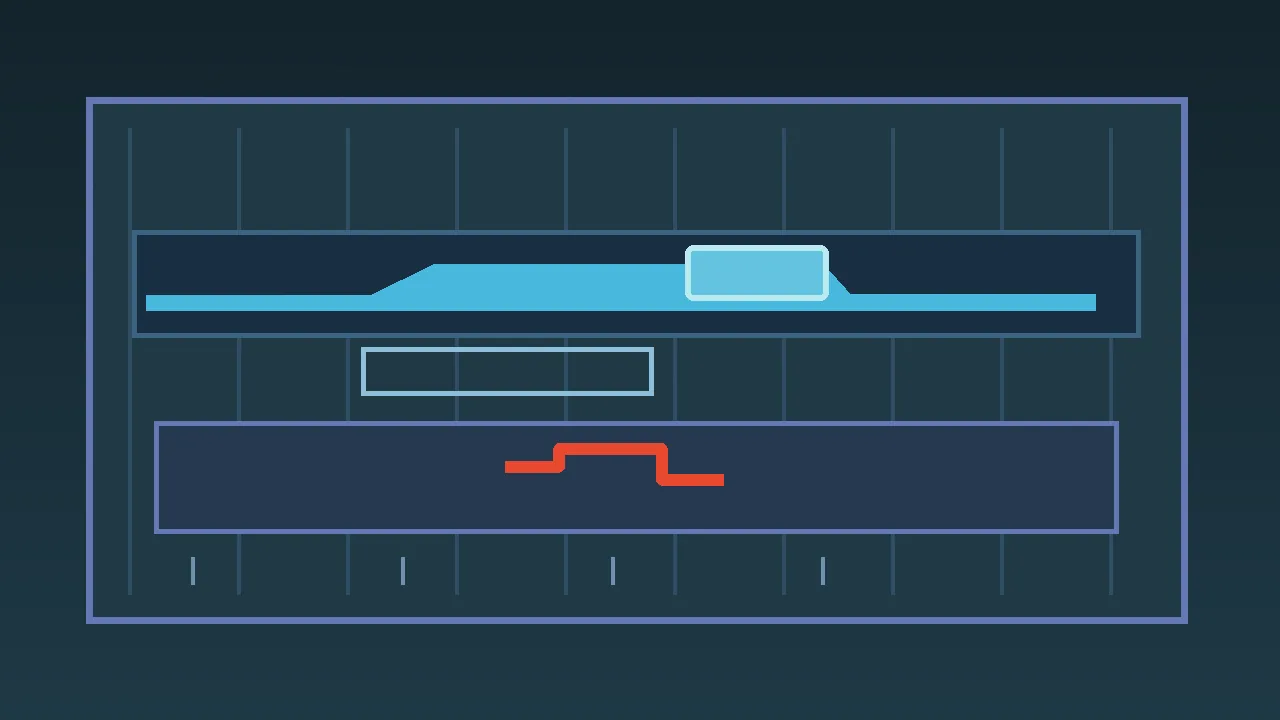
Put the initial turn at the side of the frame
At the beginning of the energy model, an output row can move before the next group enters. A service strip still holds a mark from the previous turn. Put the time for the release at a place where both facts remain readable. Our first sketch set the latest time directly over the moving row. The earlier time vanished when the group crossed the next position. That looked tidy before we asked a reader whether the new row had actually arrived later. Move the earlier mark to the frame edge and put the current reading beside the route where it changes. The player can then tell whether a result belongs to the same turn or a later one.
Leave a little room for a second row
We can draw an empty place near the upper line before the later input reaches it. The lower strip needs enough of its old value visible to tell whether the new place can be used now. We first gave both spots the same orange border. A reader thought the open place in the output also indicated room on the lower line. A narrow indigo frame gave the second reading a different place in the drawing. That made the old label readable while the upper row moved closer. The open part of the frame still stays pale when a group advances. You can distinguish which part of the diagram records the first state and which has been updated. The timing question should then give the player a reason to reopen an earlier view.
Make the release arrive on a useful beat
Try the model from one step before the earlier row moves. In one result it reaches the output and the next group waits. In the other result the first group stays for a turn, leaving the near space available. Show the two outcomes with an identical opening mark for the later group. The person reading can compare the position that changed and how long the earlier strip remains active. The Output That Waits starts from that interval in its opening description. We use invented ticks rather than a real scale. The test should let someone name the later space with the earlier label still available in both drawings. If the next result looks too similar, check whether the model has left both groups on the same mark.
Draw the difference at the place it becomes useful
An opening time tells us when a player may act. A later line shows whether there is any space for the result. Keep an earlier reference fixed in the drawing before the new row reaches a different route. The reading should be clear from a single still. In The Buffer Has an Edge, the earlier place matters when a short interval looks empty from the other side of the frame. A clear mark at that point should give the reader enough evidence to compare two times without asking them to follow every part of the motion. We can revisit the original drawing once we know which part the player read first.
Ask which state a label belongs to
For the next prototype check, open a later still and ask what the group could do when it had just started. Let the reader find the earlier turn at the edge of the frame. Then ask them to describe a changed position on the current route. A useful answer can name the older condition and the new one with a place to point to each. If only the end looks readable, add a still just before the gap closes. The player can compare the two before trying a release at a different time. Both drawings should show the effect to somebody who starts with the motion stopped.